Published July 6, 2026
Updated July 6, 2026 | 8 min read
Primary Keyword: cross docking in the Northeast

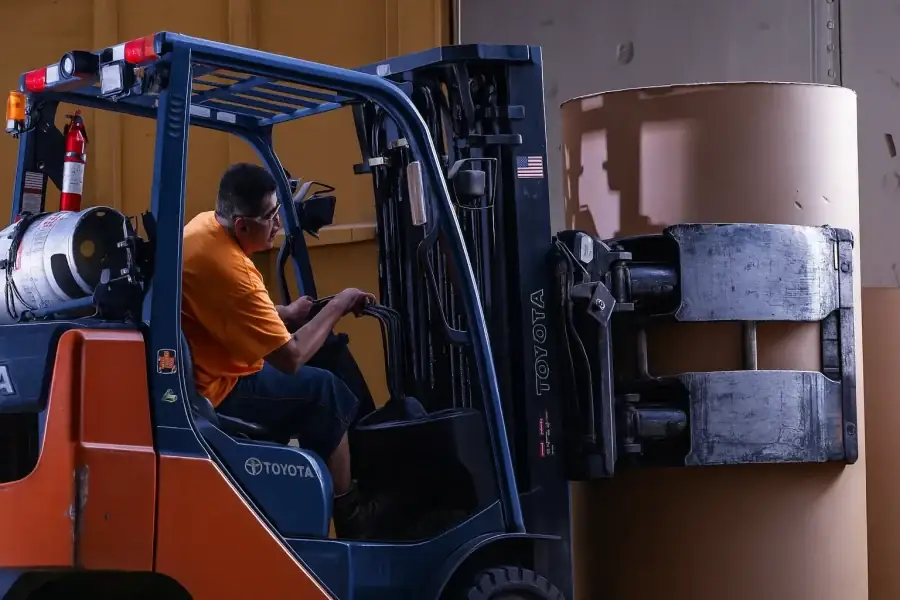
A practical guide to cross-docking in the Northeast for paper, packaging, industrial material, and 3PL freight programs.
The Northeast is a difficult freight environment. Dense markets, port variability, weather, appointment windows, and expensive recovery options make avoidable dwell time costly. Cross-docking can help when freight should move through a facility quickly instead of sitting in storage.
Search Console shows multiple cross-dock variations with impressions but no clicks. That means The Bengal Group should explain cross-docking in language that logistics buyers use. They are not looking for a textbook definition. They want to know who can receive freight, stage it, protect it, and move it outbound without creating another bottleneck.
A cross-dock facility receives inbound freight, verifies it, stages or sorts it, and prepares it for outbound shipment with little or no long-term storage. The work sounds simple, but execution depends on dock capacity, appointment planning, documentation, material handling, and communication.
For The Bengal Group customers, cross-docking may also connect to converting and warehousing. Material can arrive, be staged, converted if needed, stored briefly, or moved outbound. That flexibility matters when real supply chains do not follow a perfect plan.
Cross-docking is strongest when freight has a known destination and storage would only add cost or delay. Imported paper, packaging components, converted rolls, retail or industrial orders, and time-sensitive customer shipments can all be strong candidates depending on timing and handling requirements.
It is less useful when inventory needs long-term storage, quality hold, or complex replenishment planning. A good provider should help the customer decide whether freight should flow through, be staged briefly, or move into warehouse inventory.
The Bengal Group has the physical and operational pieces that make cross-docking credible: a Pennsylvania facility, 16 loading docks, rail switch access, warehouse space, converting operations, and inventory visibility. Those details matter because cross-docking is only valuable when the provider can actually coordinate flow under pressure.
The strongest lead path is specific. Buyers should send origin, destination, material type, pallet or roll count, inbound mode, outbound mode, timing, and whether storage or conversion may be needed. The Bengal Group can then determine the right model for the lane.
Cross-docking should be measured by whether it improves flow. A good program reduces dwell time, avoids unnecessary storage, keeps transfer accuracy high, and gives the customer current status. If the customer still has to chase every shipment manually, the workflow has not solved enough of the problem.
The Bengal Group can use simple metrics to keep the conversation grounded: inbound-to-outbound cycle time, outbound on-time departure, damage rate, documentation accuracy, and status request volume. Those measures help decide whether the lane should stay cross-dock, shift to warehousing, or use a hybrid model.
The best review cadence is practical. Look weekly at the lanes that missed timing, the reasons they missed, and whether the fix belongs with the carrier, the customer, or the facility. Cross-docking should become more predictable over time. If the same exception repeats, the process needs a new appointment rule, handling instruction, or storage trigger.
That review discipline also creates better customer communication. Instead of saying a load is delayed, the team can explain the cause, the recovery plan, and what will change next time.
That level of clarity is what turns a one-time cross-dock move into a repeatable logistics program.
Cross-docking is a logistics process where freight is received and moved to outbound transportation quickly, often with little or no long-term storage.
It can reduce dwell time, handling, storage exposure, and recovery cost in a dense and timing-sensitive freight region.
Yes. The Bengal Group can support both cross-docking and warehousing, plus converting, staging, rail access, and inventory visibility.