Published July 6, 2026
Updated July 6, 2026 | 8 min read
Primary Keyword: short run converting

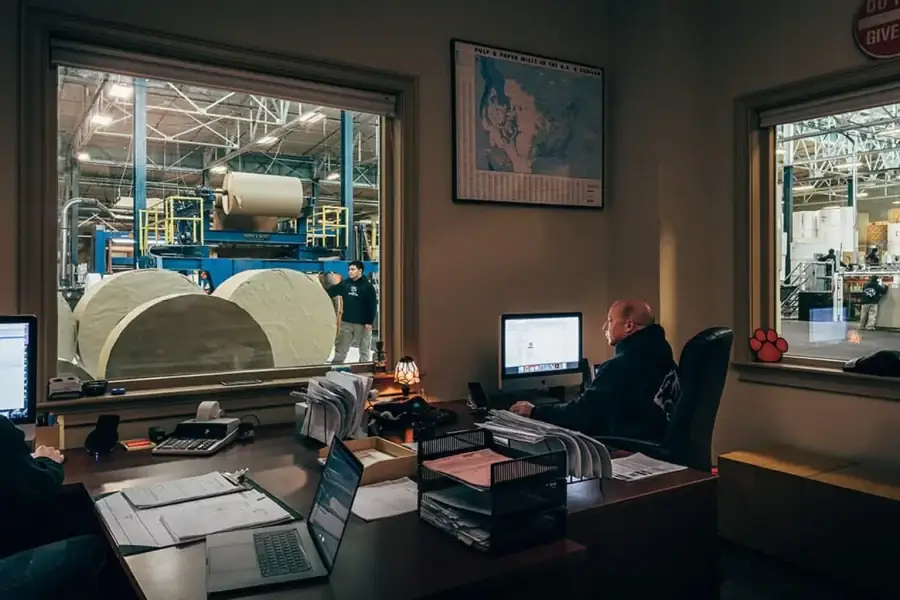
Short-run converting guide for urgent paper, board, film, and specialty material orders where customer delivery, setup discipline, and logistics speed matter.
The Search Console export shows short run converting ranking near the top but earning no clicks. That suggests the site has relevance but may not have a page or snippet that directly matches the buyer's problem. Short-run converting is a high-intent query because the buyer is often under time pressure.
A short-run buyer may need a small quantity for a customer order, a trial, a recovery event, a product launch, or a production gap. They are not only asking for the cheapest unit price. They need a reliable path to usable material before the deadline becomes a customer issue.
Short-run work can look expensive when measured only by unit cost. Setup time, scheduling, and handling are spread across fewer units. But the better question is what happens if the order is late. Missed delivery, lost customer confidence, idle downstream equipment, and expedite freight can cost more than the converting premium.
This is why a buyer should evaluate short-run converting through total risk. A partner with 24/7/365 support, multiple machines, warehousing, and cross-docking can protect the schedule in ways a narrow vendor may not. Speed is valuable when the alternative is failure somewhere else in the supply chain.
Short runs succeed when intake is precise and decision-making is fast. The buyer should provide material profile, dimensions, quantity, tolerance, packaging, delivery target, and what is flexible versus non-negotiable. The converter should confirm machine fit, schedule feasibility, quality checks, and outbound plan quickly.
The Bengal Group can position short-run converting as an operating discipline. The company has multiple converting assets, warehouse support, and logistics capability. That means a small order can move from scope to conversion to shipment with fewer handoffs, especially when the customer also needs storage or cross-docking.
The Bengal Group is a good fit when the short run involves paper, paperboard, film, PVC, woven, nonwoven, or specialty materials that need professional conversion and fast movement. It is especially relevant when the customer needs more than a machine: warehousing, inventory visibility, cross-docking, restoration, or regional delivery support.
The best next step is to send the specs and timing. The Bengal Group can evaluate whether the job is feasible, which converting path fits, and how the finished material should move. For urgent programs, speed comes from clear information and an operating partner that can coordinate the full flow.
Rush work fails when the team skips the basics. Even when timing is tight, the buyer and converter still need one shared version of the material specs, output target, packaging requirement, and ship plan. If those details are vague, the job may move quickly in the wrong direction and create rework that erases any time saved.
A better approach is to separate fixed requirements from flexible preferences. Tell Bengal what cannot change, such as width, count, caliper, customer delivery date, or packaging rule. Then identify where there is flexibility, such as partial shipment, alternate release timing, or staged inventory. That gives the operations team room to solve the problem without guessing.
The buyer should also decide who can approve changes. A single accountable contact can save hours when a fast-turn job runs into a material, timing, or packaging question.
Short-run converting is a smaller or urgent converting job that turns material into a required output without the volume of a long production campaign.
It can have higher unit cost because setup is spread across fewer units, but it can reduce total risk when speed protects customer commitments.
Send substrate, dimensions, quantity, tolerance, packaging, timing, and outbound requirements.