Primary Keyword: contract converting services
Related Topics: contract converting services, contract converting, contract converting company, contract converting service

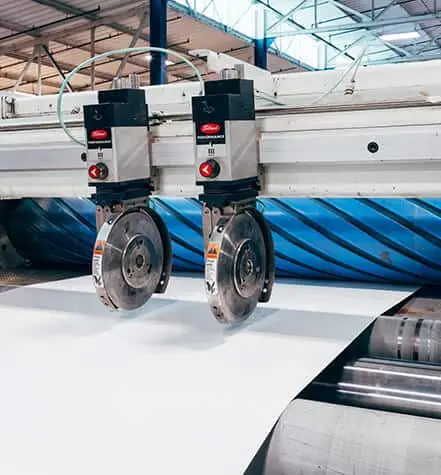
Contract converting services for manufacturers that need slitting, rewinding, sheeting, restoration, warehousing, inventory visibility, and Northeast logistics execution.
The Search Console export shows that The Bengal Group is visible for contract converting services, contract converting, contract converting service, contract converting company, specialty converting paper, converting specialty materials, and what is contract converting. Those queries generated impressions with no clicks, and most average positions sit around the high twenties or worse. That is a classic signal that the site needs a stronger, exact-intent anchor page.
The current site has a custom contract converting page, but the data suggests Google still needs a broader and deeper commercial page that answers the generic market term. Buyers who search contract converting services may not know Bengal yet. They are comparing providers, trying to understand capabilities, and deciding whether outsourcing is safer than buying equipment or stretching internal teams. This page is built for that evaluation stage.
Contract converting is outsourced material conversion performed to a customer's specifications. In The Bengal Group's world, that includes work such as slitting, rewinding, sheeting, core changes, restoration-to-prime, packaging, labeling, inventorying, and shipment preparation for paper, board, film, PVC, woven, nonwoven, and other specialty materials. The customer supplies the material profile and business need; the converter supplies equipment, operators, process control, and execution capacity.
The most important word is contract. The buyer is not just buying machine time. They are asking another operating team to protect quality, timing, documentation, and downstream usability. A good contract converting company behaves like an extension of the customer's own operation. It asks enough questions up front, documents repeatable standards, communicates quickly when conditions change, and makes finished material usable for the next step in the supply chain.
Outsourcing converting work is often a strategic capacity decision. A manufacturer may have internal equipment but not enough available time, labor, or setup flexibility to handle every customer request. A distributor may need material converted before sale but does not want to own production assets. A packaging team may need surge help during a product launch or seasonal peak. A quality team may need damaged material evaluated and recovered quickly.
In each scenario, the buyer is trying to reduce operational risk. Buying equipment creates fixed cost, maintenance responsibility, staffing requirements, and lead time. Outsourcing to a contract converter gives the buyer optionality. The right partner can absorb variable demand, execute specialty jobs, recover material value, and connect converted output to warehousing and fulfillment. The Bengal Group's combined converting and logistics footprint makes this argument especially strong.
A strong contract converting page should not treat every substrate the same. Paper and paperboard programs often require attention to caliper, moisture, stack condition, edge quality, and downstream press or finishing performance. Film and PVC can introduce handling, tension, roll quality, and surface-protection considerations. Woven and nonwoven materials may behave differently under winding or slitting tension. Specialty material conversion requires experience, not just equipment availability.
This is why The Bengal Group should frame material compatibility as a buyer conversation. The customer should share the substrate family, gauge or caliper, sensitivity, end use, current pain points, and packaging requirements. The Bengal Group can then determine whether rewinding, slitting, sheeting, restoration, warehousing, or a combined program is the right fit. That creates a consultative SEO page that attracts qualified leads rather than casual traffic.
The best contract converting projects start with a structured scope. The Bengal Group should ask for the material type, dimensions, caliper or gauge, parent roll characteristics, target output size, quantity, tolerance expectations, core size, roll diameter, sheet count, packaging method, labeling requirements, storage needs, shipment timing, and any quality issues the customer has experienced before. This detail prevents surprises and helps the team select the right machine path.
The scope should also include business context. Is the work recurring or urgent? Is the customer trying to supplement internal capacity, support a new product, recover damaged material, or reduce lead times? Is finished material shipping immediately, entering warehouse storage, or being released in phases? These questions help Bengal propose an operating model rather than simply quoting a task.
A buyer considering contract converting services is often worried about losing control. That concern is reasonable. Outsourcing can create risk if the provider does not have clear quality checkpoints, documented setup standards, experienced operators, and reliable communication. The Bengal Group should answer that concern directly by describing how jobs move from intake to production planning to execution to inventory and outbound release.
Accountability also extends beyond quality checks. If a shipment date changes, if a material behaves differently than expected, or if an inbound roll arrives damaged, the customer needs a fast answer. The Bengal Group's 24/7/365 production and support story belongs on this page because it speaks to the buyer's real anxiety: when something changes, will the provider respond like an operating partner or like a vendor with a ticket queue?
Many contract converting searches come from buyers who have a material problem, but the problem rarely ends at the machine. Once material is converted, it must be stored, protected, counted, labeled, staged, and shipped. If the converter cannot manage that flow, the customer may need another warehouse, another carrier handoff, and another system of record. Each handoff adds risk and hides cost.
The Bengal Group's integrated warehouse and 3PL capability should be treated as a core feature of its contract converting services. The 225,000-square-foot facility, 16 loading docks, rail access, cross-docking, and SAP/EDI support create a stronger value proposition than conversion alone. For customers in paper, packaging, consumer goods, and industrial materials, the ability to convert and control inventory in one place can reduce lead time and improve confidence.
The Bengal Group is a strong fit when the customer values speed, flexibility, regional access, and integrated execution. The best-fit programs involve paper, board, film, PVC, woven, nonwoven, or specialty materials that need professional conversion and downstream control. The Bengal Group is also a strong fit when the customer has urgent timing, constrained internal assets, imported material, damaged rolls, Northeast distribution needs, or a desire to consolidate converting and warehousing under fewer vendors.
The page should be honest about fit because qualified leads matter more than broad traffic. Bengal does not need to rank for every global paper industry query. It needs to rank for buyers who need material converted, stored, staged, or shipped in a service region The Bengal Group can support. That is why the strongest internal links from this page should point to machine specs, paperboard converting, warehousing, cross-docking, and restoration content.
Most companies do not wake up one day and decide to search for contract converting services for fun. There is usually a trigger. A customer launches a new SKU. A machine goes down. Internal capacity is booked. A material arrives in the wrong format. A buyer is asked to reduce capital spending. A logistics team needs material converted and shipped faster than the normal process allows.
Those triggers are important because they help Bengal speak to the customer's urgency. The page should show that Bengal understands the moment behind the search. A buyer might need a fast feasibility review, a backup lane, a recurring outsourced program, or a recovery plan for damaged inventory. Each trigger points to a different operating model, and the best converting partner can help sort those options quickly.
This section also gives the sales team better language. Instead of asking only what service do you need, The Bengal Group can ask what changed in your operation. The answer will reveal whether the project is about speed, risk, capacity, quality, cost, or customer retention. That makes follow-up more useful and helps convert search traffic into qualified conversations.
The customer-retention value of contract converting is easy to underestimate. A buyer does not lose an account only because of one late shipment. They lose confidence through repeated exceptions: missed dates, unclear status, quality drift, emergency freight, and inconsistent answers. Contract converting can support retention when it gives the seller a dependable way to say yes to customer needs that internal assets cannot absorb alone.
The Bengal Group can tell that story because its converting services are connected to warehousing and distribution. If material can be converted, stored, staged, and shipped through one partner, the customer receives a simpler promise. The seller can protect revenue without building every capability internally. That is the business reason behind many contract converting searches, and it deserves space on the anchor page.
A buyer should evaluate a contract converting company by asking operational questions, not only price questions. Can the provider handle the material family? What are the width, caliper, diameter, and output size ranges? How are tolerances confirmed? What happens when a roll is damaged or out of spec? Can the provider store material before and after conversion? How quickly can the team respond when a customer changes priority?
These questions create a useful SEO advantage because they match buyer anxiety. A thin service page says we offer converting. A stronger page teaches the buyer how to make a confident decision. The Bengal Group can use this consultative approach to attract searches at multiple stages: what is contract converting, contract converting services, contract converting company, and specialty converting paper.
The commercial call to action should invite visitors to send real operating details. A generic ask us anything form is too soft for this search intent. The page should prompt buyers to share material family, parent dimensions, target output, quantity, timing, packaging requirements, storage needs, and downstream constraints. That language tells the visitor Bengal understands conversion work and gives the sales team better information for follow-up.
This page should also act as the hub for the full topical cluster. Blog posts can explain what contract converting is, when outsourcing beats equipment, how short-run converting works, and how paperboard converter selection should be handled. Supporting solution pages can target paperboard converting, 3PL for pulp and paper, Northeast cross-docking, and paper roll warehousing. The cluster gives Google a clearer map of The Bengal Group's authority and gives buyers a clearer path to contact.
Contract converting services are outsourced material conversion services such as slitting, rewinding, sheeting, restoration, packaging, labeling, warehousing, and shipment preparation performed to customer specifications.
The Bengal Group supports paper, paperboard, film, PVC, woven and nonwoven materials, and specialty substrates across multiple rewinding and sheeting workflows.
Contract converting can reduce capital exposure, add flexible capacity, support urgent work, and connect converted output to warehousing and logistics without requiring new equipment, staffing, and maintenance.