Primary Keyword: Northeast cross-docking warehouse services
Related Topics: cross docking north east, cross docking warehouse north east, cross dock distribution north east, cross docking company north east

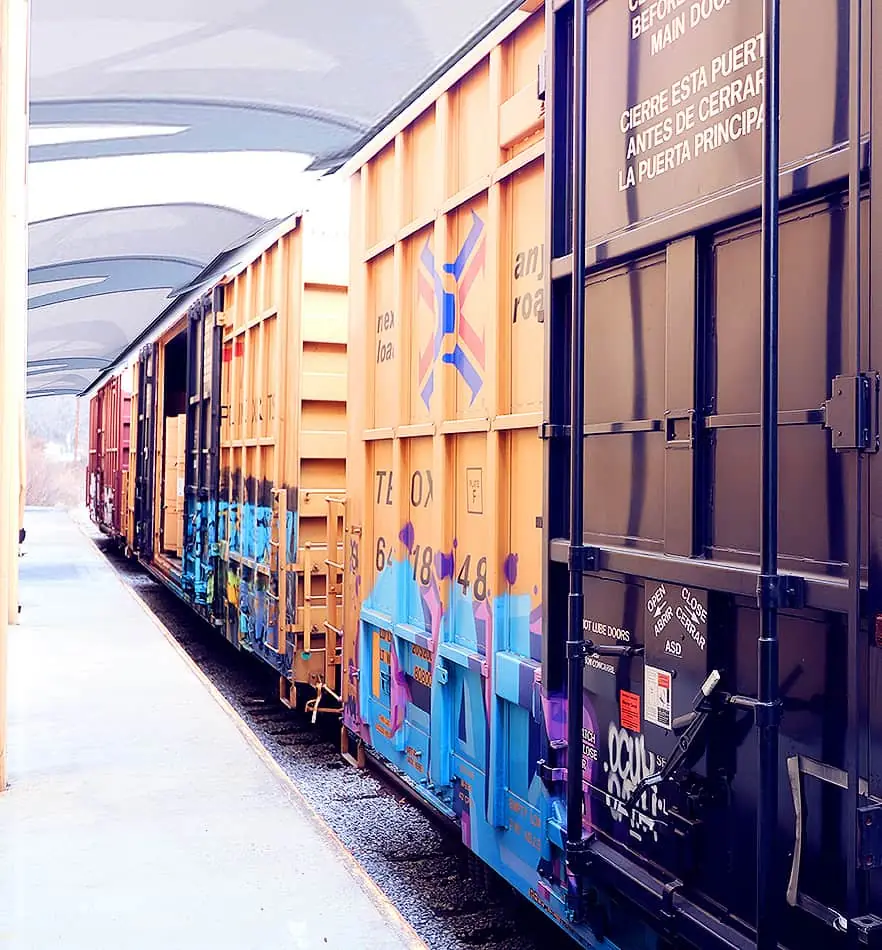
Northeast cross-docking warehouse services with rail access, 16 loading docks, inventory visibility, and integrated converting support in Pennsylvania.
The Search Console data shows multiple variations around cross docking north east, cross docking company north east, cross dock distribution north east, cross docking warehouse north east, cross dock facility north east, 3PL cross docking, and cross dock logistics north east. Collectively these queries have commercial value, but most rankings are far outside the click zone. That means The Bengal Group has enough topical relevance to appear, but not enough page-level authority to win traffic.
A dedicated Northeast cross-docking warehouse page solves a different problem than a general warehousing page. The buyer is not only asking for storage. They want freight to move through a facility quickly, accurately, and with minimal dwell time. They may need rail-to-truck transfer, truck-to-truck flow, staged outbound release, urgent distribution, or a partner who can combine converting, warehousing, and shipment movement in one location.
Cross-docking is a logistics model where inbound freight is received, sorted, staged, and moved to outbound transportation with little or no long-term storage. For paper, packaging, and industrial materials, the purpose is often to reduce dwell time, avoid unnecessary handling, and align inbound material with urgent customer demand. Cross-docking works best when the facility has dock capacity, labor coordination, clear documentation, and a strong appointment process.
The phrase cross-docking warehouse may sound contradictory, but buyers use it because they need both capabilities. They want a facility that can store when needed and flow through when storage would add cost or delay. The Bengal Group should own that distinction. Its warehouse operation can support conventional storage, cross-dock transfers, converting-adjacent staging, and outbound release, which makes the page relevant to both warehouse and cross-dock searches.
The Northeast and Mid-Atlantic are dense, expensive, and timing-sensitive freight regions. Congestion, port variability, weather, driver availability, customer appointment windows, and tight delivery schedules can make small delays expensive. A cross-dock partner in this region has to do more than unload and reload freight. It has to coordinate timing, protect material condition, communicate exceptions, and help the customer avoid emergency recovery decisions.
The Bengal Group's Royersford, Pennsylvania location gives the company a credible regional story. The facility can support routes connected to Philadelphia, Newark, Baltimore, Pennsylvania manufacturers, New Jersey customers, Mid-Atlantic distribution, and cross-border U.S.-Canada programs. This geography matters for SEO because searchers are using regional phrases. They do not want abstract logistics theory; they want a practical partner in the area where freight is moving.
Cross-docking depends on physical capability. The Bengal Group's 225,000-square-foot campus, 16 loading docks, on-site rail switch, and integrated warehouse operation create the infrastructure needed to manage inbound, transfer, and outbound work. Those proof points should be prominent because logistics buyers need to know whether the facility can support real throughput, not just claim cross-docking as a service line.
The converting side of The Bengal Group's business adds another layer. Some customers may bring in paper, board, film, or other materials that need to be converted before release. Others may need parent rolls stored, converted output staged, and finished material shipped. A facility that can combine converting and cross-docking gives buyers more options when demand changes or customer orders need to move faster than the original plan allowed.
Not every shipment belongs in a cross-dock workflow. The best candidates are materials with clear outbound demand, time-sensitive delivery requirements, high handling cost, limited storage value, or customer commitments that benefit from fast transfer. Paper rolls, paperboard, converted sheets, packaging components, retail or industrial orders, and imported material can all be candidates depending on shipment profile and release timing.
The Bengal Group should describe fit in practical language because it helps qualify leads. A buyer with stable long-term inventory may need warehousing first. A buyer with urgent customer orders, incoming rail material, overflow inventory, or imported product may need cross-docking. A buyer with material that needs conversion before shipment may need a hybrid converting-and-cross-dock model. The page should make those paths clear.
A cross-dock program should be planned before freight arrives. The customer and provider need to agree on inbound timing, outbound appointment windows, documentation, label requirements, handling rules, staging logic, exception contacts, and inventory status updates. Without that structure, cross-docking can become a rushed warehouse activity instead of a controlled logistics model.
For paper and industrial materials, handling rules are especially important. Rolls, sheets, pallets, and specialty substrates may require specific equipment, storage orientation, moisture protection, edge protection, or damage inspection. The Bengal Group can use program intake to identify whether material should move directly, be staged briefly, be inspected, be converted, or be stored for phased release. That decision tree turns a cross-dock request into an operating plan.
Cross-docking can reduce cost-to-serve when it removes work that does not create customer value. If freight only needs to pass through a facility, long-term storage, duplicate handling, repeated status checks, and extra internal moves add cost. A disciplined cross-dock model compresses the timeline from receipt to shipment and reduces the number of places where damage, miscommunication, or delay can occur.
The savings are not only in storage charges. Better cross-dock execution can reduce expedite freight, missed appointments, customer-service follow-up, claims, and the labor spent reconciling where material is located. For Bengal, the SEO message should connect cross-docking to business outcomes: faster flow, fewer handoffs, better visibility, and more predictable customer delivery performance.
Visibility is what turns cross-docking from a dock activity into a supply-chain capability. A customer needs to know when material arrived, whether it matched documentation, whether it was staged, whether it moved outbound, and whether any exception occurred. If the customer has to call or email repeatedly for status, the cross-dock program is not reducing friction as much as it should.
The Bengal Group's SAP and EDI story belongs on this page because it directly supports the logistics buyer. Real-time or structured inventory updates help planning teams make better release decisions. They also help customer-service teams answer delivery questions with confidence. For high-value paper, packaging, and industrial material, a trusted status view can prevent expensive overreaction when a schedule changes.
A credible cross-docking page should also explain when not to use the model. If material lacks an assigned customer, requires long-term quality hold, needs complex inspection, or has no confirmed outbound plan, immediate cross-docking may create more confusion than value. In those cases, controlled warehousing or staged inventory may be the better starting point.
This honesty helps Bengal qualify leads. A buyer who needs storage should not be forced into a flow-through model because the keyword sounds attractive. The Bengal Group can support both warehouse storage and cross-docking, so the company can recommend the workflow that fits the material. That advisory posture is more persuasive than a page that claims cross-docking is always the right answer.
The practical decision is simple: freight should cross-dock when it is ready to move, the outbound path is known, and the handling requirements are clear. Freight should warehouse when the customer needs inventory control, phased release, inspection, conversion, restoration, or time to resolve order uncertainty.
This distinction also supports lead quality. A logistics manager who reads the page should understand that The Bengal Group is not trying to force every shipment into one service bucket. The facility can receive material, hold it, move it, convert it, or release it depending on the real operating constraint. That flexibility is exactly what Northeast shippers need when the plan changes after freight is already moving.
Cross-docking needs measurable operating discipline. The buyer should know how long freight sits, whether outbound loads depart on time, whether transfer accuracy is high, and whether damage or documentation issues are decreasing. Without metrics, cross-docking can become a vague promise instead of a service improvement.
The Bengal Group should frame these metrics as part of the value. A cross-dock program should reduce avoidable dwell time, lower manual follow-up, and give the customer more confidence in delivery timing. If the metrics do not improve, the workflow may need different appointment planning, staging rules, handling standards, or a shift back into warehousing for certain freight profiles.
The reporting does not have to be complicated to be useful. A weekly view of dwell time, misses, exceptions, and customer-impact notes can reveal whether the program is removing friction or simply moving it to the dock. That creates a continuous-improvement loop and gives procurement a reason to view Bengal as a strategic logistics partner rather than a one-time transfer point.
A buyer should evaluate a cross-docking partner on location, dock capacity, material handling experience, visibility, communication, and ability to support related workflows. Rate matters, but the cheapest provider can become expensive if freight misses appointments, sits too long, requires extra handling, or lacks status clarity. The right provider reduces the number of problems the customer has to manage.
The Bengal Group should use this page to teach that evaluation model. The buyer should ask how many docks are available, whether rail is supported, which material types the facility handles, how exceptions are communicated, whether inventory systems can support customer reporting, and whether converting or packaging support is available if freight needs additional work before release. These questions position Bengal as a serious logistics partner.
The cross-docking page should connect to warehousing, contract converting, 3PL for pulp and paper producers, paper roll warehousing, and cost-to-serve content. That internal link structure helps Google understand that The Bengal Group is not writing isolated pages. It is building a logistics cluster around the way paper, packaging, and industrial materials actually move through the Northeast.
The page should also create a clear lead path. A buyer should be prompted to share origin, destination, inbound mode, outbound mode, material type, pallet or roll count, handling requirements, timing, storage tolerance, and whether conversion or repackaging is needed. That information allows Bengal to respond like an operator, not a generic warehouse vendor.
They are logistics services that receive inbound freight, stage or sort it, and move it to outbound transportation quickly, with optional short-term storage, inventory visibility, and related warehouse support.
Cross-docking is strongest for time-sensitive, high-turn, pre-allocated, imported, rail-to-truck, truck-to-truck, or customer-committed freight that should move quickly instead of sitting in storage.
Yes. The Bengal Group can support converting, warehousing, staging, cross-docking, distribution, and inventory visibility in one operating environment.